
"humid coffee regions"
3000 article(s) found
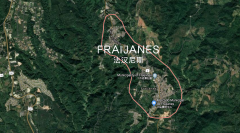
Geographical and climatic characteristics of Fahannis coffee producing area in Guatemala the tonality of French Hannis coffee
The Fahannis region is characterized by volcanic pumice soil, high elevations, heavy rainfall, changes in humidity and active volcanoes. The volcanoes around the Fahannis area are quite high above sea level, so that the Farrakhan Plain is still an active volcanic area, and the soil is rich in pumice, so the geographical environment of this producing area is similar to that of Antigua. However, the differences

Columbia Linglong Coffee Bean Flavor description Grinding scale region Variety Taste
Columbia Linglong Coffee Bean Flavor description Grinding scale region varieties taste Colombia's suitable climate provides a real natural pasture for coffee. Coffee trees in Colombia are mainly cultivated in the Andes, on steep slopes about 1300 meters above sea level, where the annual temperature is about 18 degrees Celsius, annual rainfall is 2000 to 3000 millimeters, and latitude 1-11.

Robusta coffee beans taste really bad? Where are Robusta coffee beans produced?
Professional coffee knowledge exchange More coffee bean information Please pay attention to coffee workshop (Weixin Official Accounts cafe_style) Qianjie-Robusta coffee bean introduction Vietnam is located in Southeast Asia, belongs to tropical and subtropical climate. The climate is divided into three regions: north subtropical humid climate, south-central tropical monsoon climate and south-central tropical steppe. Annual rainfall varies from 1200 mm to 3000 mm, December each year

Flavor and taste of Colombian coffee beans introduction of regional treatment methods for manor production
Taste of Colombian coffee beans: bright and varied supple fruit acids, citrus, berries, raspberries, etc., which turn soft and sweet on the entrance, thick Body like caramel, sweet hazelnut, sweet spices, fudge, stiff flowers and cool flowers in the nose, melons, almonds and sweet lime in the middle.

Description of flavor of Hawaiian coffee beans with pure flavor introduction of varieties treated by grinding scale
The pure taste of Colombian coffee, in addition to the natural environment with the most favorable conditions for coffee growth, is inseparable from the hard work of local growers. In Colombia, coffee cultivation has reached 1.07 million hectares, there are about 302000 coffee plantations in the country, and 30 to 40 per cent of the rural population depends directly on coffee production. There are many farms in Colombia, but

Description of Coffee Flavor of Incht Manor in Guatemala introduction to the grinding degree of varieties in producing areas
1. Acatenango Valley: the Acatenango Valley is 2000 meters (6500 feet) above sea level, with dense shade and unique ecology. Nearby Fuego volcanoes continue to erupt, making its coarse, sandy soil rich in a variety of minerals. Temperate sea breezes from the Pacific and a seasonal climate make this production.
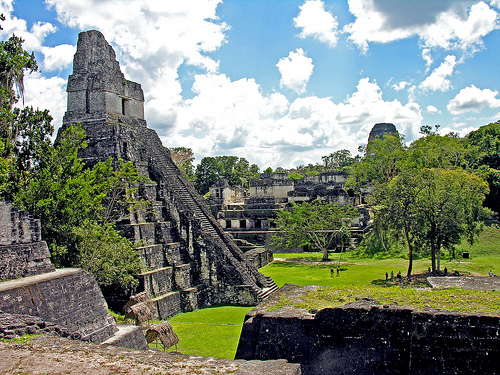
World boutique coffee beans: an introduction to the species, characteristics and attributes of coffee beans in eight major producing areas of Guatemala
[guide] the Ekatlago Valley rises to 2000 meters (6500 feet), with dense shade and unique ecology, and the nearby Fuego volcano erupts, making its coarse, sandy soil rich in various minerals. The temperate sea breeze from the Pacific Ocean and the seasonal climate make the Ekatran Valley in this producing area rise to 2000 meters (6500 feet), with dense shade and unique ecology.

Brief introduction of planting Market Price of Superior Coffee Bean varieties of Sidamo Guji in Dharma, Essex
In order to prevent sudden rain at night, it will be wrapped in thick plastic sheeting. In this way, the red fruit is fermented and dehydrated at a lower temperature. After 18 days of sun treatment, when the moisture content of raw coffee beans decreased to about 13%, stop the sun treatment, put them in sacks, put them into the warehouse under the natural conditions of 12-22 degrees Celsius and 40-50% humidity, raise raw beans for about 50 days and further remove them.

Hierarchical and full Columbia exquisite boutique coffee bean flavor, taste and aroma description, Jane
Origin: na Linglong altitude: 1860 m-2220 m processing: washing harvest time: April-June (75%), October-February (25%) varieties: new Kaddura species, Castie baking degree: CITY+ flavor features: roasted almonds, lemon and orange, white chocolate, honey, peach, round body, long aftertaste, balanced annual rainfall of 2000 to 3000 mm, north latitude 1

Introduction to Peruvian Organic Coffee Cooperatives in the North, Central and South of Peru
Professional coffee knowledge exchange more coffee bean information follow coffee workshop (Wechat official account cafe_style) Peru began to export coffee in 1887 and is now the eighth largest producer and the world's largest exporter of organic coffee, with an annual volume of 2 million bags, accounting for 5 per cent of total exports. More than 1/3 of the country's coffee is grown in the Cajamarca region in the north and in the south.

Flavor characteristics of AcatenangoValley Akanan Fruit Coffee growing in Guatemala Coffee producing area
Professional coffee knowledge exchange more coffee bean information please pay attention to the coffee workshop (Wechat official account cafe_style) Guatemala is located in the Central American isthmus, the territory of many volcanic mountains and plateaus, the production of high-quality Central American high-altitude very hard coffee beans, is the ninth largest producer of coffee beans in the world. The main coffee producing areas in Guatemala are Antigua, Huehuetenango and At.

What is the definition of fine coffee?
What is boutique coffee? The word is from Erna. Ms. Erna Knustsen was the first to reveal it in the Tea and Coffee monthly (TeaCoffee Trade Journal) in 1974. At that time, she worked as a coffee purchasing expert at B.C.Ireland in San Francisco. Based on her professional knowledge, she coined the new term [specialty coffee], which highlighted that only in the most

Guatemala Antigua Coffee (Guatemala Antigua Coffee) boutique coffee
The Antigua Valley (Antigua Valley) is the oldest and best-known coffee producing area in Guatemala. Volcanoes and extremely shallow groundwater levels form a dry microclimate, characterized by low humidity, adequate sunshine and cool nights. Antigua is a closed valley surrounded by three volcanoes: Agua, Acatenango and

Guatemala Antigua Coffee (Guatemala Antigua Coffee)
The second coffee producing area in Guatemala: Antigua coffee. The Antigua Valley (Antigua Valley) is the oldest and best-known coffee producing area in Guatemala. Volcanoes and extremely shallow groundwater levels form a dry microclimate, characterized by low humidity, adequate sunshine and cool nights. Antigua is a closed valley surrounded by three volcanoes: Agua.

Introduction of Coffee from eight Major producing areas in Guatemala the origin of Guatemalan coffee is in danger.
Guatemala is a famous producer of high-quality Arabica coffee in Central America. Coffee from five volcanic and three non-volcanic producing areas is very unique and enjoys a high reputation in the international market. Mr. EduardoAmbrocio of the Guatemalan Coffee Company introduced Guatemalan coffee to the audience at the SCAA Houston show in April 2010. 1. Alcatraguo Valley (AcatenangoValley)
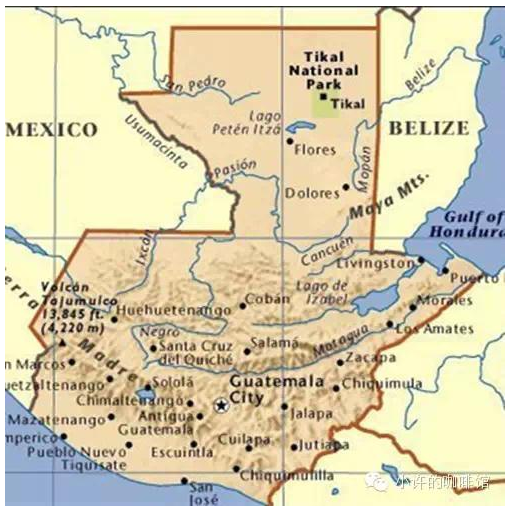
World Coffee Tour (4) Guatemala
Guatemala is a big coffee producer in Central America, ranking eighth in the world in terms of output. Guatemala, whose name comes from the Mayan language, means thelandofmanytrees, the country of the forest. Located in Central America, it is known as the pearl in the crown of China and the United States. Although Guatemala has a limited land area, it has a rich and diverse climate. A country famous for lakes and volcanoes, volcanic soil,

American boutique coffee La Tisa Manor on the Farahan Plateau of Guatemala
Fraijanes Plateau: Waiqiang Plateau (Fraijanes Plateau) this area is of volcanic soil, high altitude, sufficient rainfall and great humidity variation. Ash from Pacaya, Guatemala's most active volcano, provides important minerals for the soil in the region. There is plenty of sunshine in the dry season, and although the clouds and dew are heavy in the morning, they dissipate quickly. Because of

The coffee beans from that coffee farm are better than those from Ladisha Manor.
Located in the tropics, there are many volcanoes in the territory, the northern and eastern coastal plains have a tropical rain forest climate, and the southern mountains have a subtropical climate. The year is divided into two dry and wet seasons, with the wet season from May to October and the dry season from November to April of the following year. The annual precipitation is 2000-3000 mm in the northeast and 500-1000 mm in the south. Forests account for half of the country's area and are the best latitude for coffee production.

Antigua coffee flavor Antigua coffee characteristics Antigua coffee taste
The Antigua Valley (Antigua Valley) is the oldest and best-known coffee producing area in Guatemala. Volcanoes and extremely shallow groundwater levels form a dry microclimate, characterized by low humidity, adequate sunshine and cool nights. Antigua is a closed valley surrounded by three volcanoes: Agua, Acatenango and

Balanced, with rich aroma Antigua coffee flavor, characteristics, taste
The Antigua Valley (Antigua Valley) is the oldest and best-known coffee producing area in Guatemala. Volcanoes and extremely shallow groundwater levels form a dry microclimate, characterized by low humidity, adequate sunshine and cool nights. Antigua is a closed valley surrounded by three volcanoes: Agua, Acatenango and